Kos: The Island of Hippocrates
By Marc Dubin
|
|
With long sandy beaches, a
balmy climate and monuments from various
historical eras, Kos was among the first Aegean
islands to attract visitors –during the 1930s,
under Italian rule. Despite its touristic role,
Kos is in fact one of the most fertile Greek
islands, with rich volcanic soil and an
adequate water supply from its single mountain
range. Local melons have long been famous –
old-timers as far away as the Cyclades remember
the melon-peddlers from Kos – and they’re still
sold at the roadside. Agriculture continues to
co-exist with tourism, baled hay and grazing
cattle (there are said to be almost as many
cows as people – 18,000 – on Kos) found just
behind beachfront hotel complexes. As a
strategic border island with Turkey, a military
presence is inevitable if usually not intrusive
– though it’s quite possible to catch a glimpse
of exercising tanks, cattle and hotel wings all
at once.
|
|
|
|
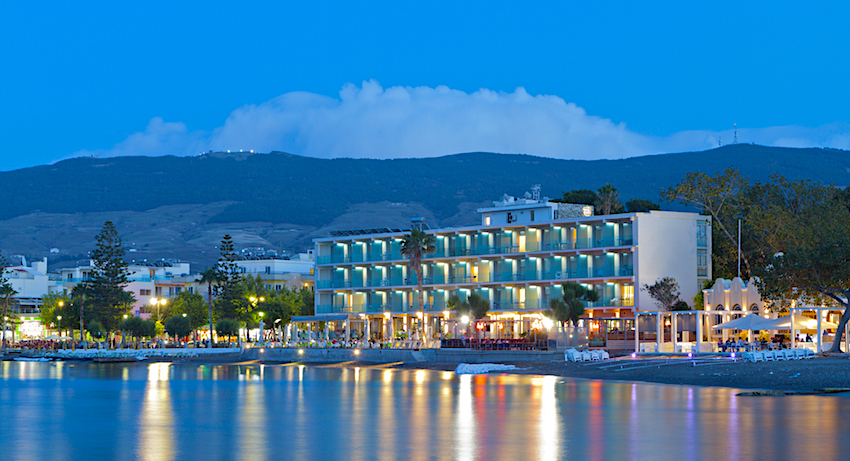
Industrial-strength
tourism began during the late 1970s, with the
first mega-hotels set back from the turquoise
sea. Within a decade Kos was a firm favourite
with growing numbers of northern Europeans
(especially Dutch and British), served by an
ever-increasing number of bars, mediocre
tavernas and trinket shops, though the island
was large enough to absorb the traffic fairly
gracefully. The hotels were pretty much
monopolised by large tour companies, such that
independent travellers found it almost
impossible to get a room in summer for love or
money.
Everything seemed to be
going swimmingly for the Koans (Kooi in Greek,
or more disparagingly in their Kalymnian
neighbours’ view, Kotes – which also means
chickens) until, a few years after the
millennium, a perfect storm devastated tourism
here. The islanders committed themselves
heavily to the all-inclusive model; independent
tavernas, mostly the mediocre ones but also
some good establishments, withered away and
died. Then several major tour companies mounted
an unofficial boycott of the island – either by
dropping hotels outright or telling travellers
who requested Kos that it was “full” on the
desired dates, and sending customers elsewhere.
Needless to say the hotels in question were not
booked out, but increasingly empty, and locals
who relied upon tourism for a living were
desperate for answers and a solution. And
finally – on top of all this – came the 2008
crash.
|
|
|
|
Kos was not the first
island targeted in this way by large tour
companies for a variety of reasons. Tour
companies may tire of negotiating prices with
the hotels every year, so a boycott shows hotel
owners who has the whip-hand and how dependent
they are on overseas companies, and after a
year of desperately scrounging for independent
overseas and/or Greek bookings they are usually
ready to agree to more favorable terms for the
tour companies. A year “off” can also cause
mass bankruptcies and overseas companies then
buy coveted hotels from the banks for a song.
Or perhaps a tour operator decides to maximize
profits by steering customers towards places –
Tunisia, Turkey, Thailand – where they pay less
for hotels. People who are just looking for sea
and sun will be happy anywhere that has a beach
and a fast-food joint nearby, but this is
rather shabby treatment for clients who had
their heart set on going to Greece.
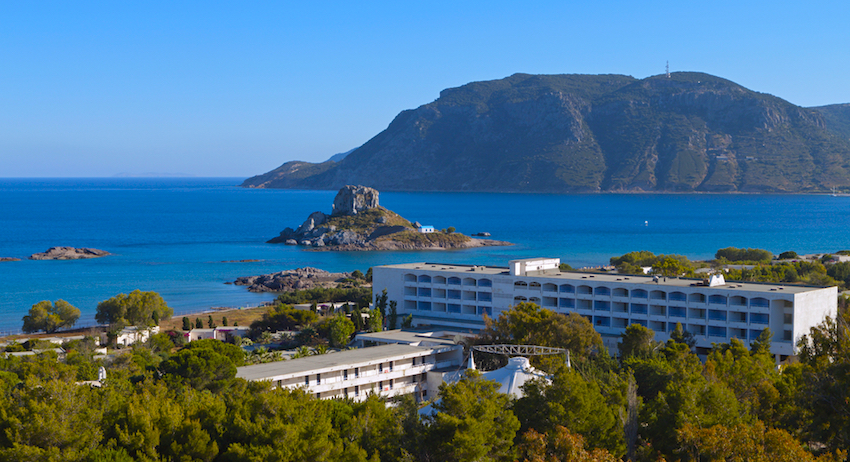
All this was bad news for
the people of Kos, who built comfortable hotels
with the expectation that they would stay full
forever, but are now confronted by excess
capacity. The stop-gap measure, especially at
all-inclusive outfits, has been to accept just
about any clientele at depressed prices – in
particular Russians, who are considered rough
trade and not popular locally. But it’s good
news for the traveler who wants to enjoy a
scenic Greek island during high season, as it’s
currently a buyer’s market for some quality
hotels (on B&B or half-board basis). Maybe
this is a second chance for Kos. Because of
Kos’ association with Hippocrates and the birth
of modern medicine (read on), the island is a
popular venue for medical conventions, often
off-season, and all multi-star hotels have
ample conference facilities.
|
History of Kos
|
|
Long, narrow Kos lies just
off the Asia Minor coast, tied with Karpathos
as the second largest in the Dodecanese group.
The Minoans, attracted by the excellent harbour
at the northeast tip, settled there during the
15th century BC. The “other” ancient town,
Astypalaia in the southwest, was the birthplace
(ca. 460 BC) of Hippocrates (Ippokratis in
Greek), the father of systematic medicine (and
purported author of the Hippocratic oath still
taken by doctors today). Shortly after his
death in about 370 BC the islanders built the
Asklepion shrine, named for the god Asklepios,
which also served as a therapeutic centre known
throughout the Greek world, run in accordance
with Hippocratic methods. In 366 BC the
“capital” was moved from Astypalaia to the
Minoan port, which despite repeated earthquakes
flourished owing to its proximity to ancient
Halikarnassos (now Bodrum) on the Anatolian
coast just opposite. In 333 BC Kos was taken
briefly by Alexander the Great, and then became
semi-autonomous under the protection of the
Egyptian Ptolemies, including Ptolemy II who
was born here. By the late first century BC Kos
was effectively (and prosperously) under Roman
rule, and from this time – especially after the
severe earthquake of 27 BC – date most of the
ancient ruins on view. Christianity came early,
in the person of St Paul, and there are three
early Byzantine basilicas to be seen. In 1314
the crusading Knights of Saint John, based on
Rhodes, began work on the large fortress which
still guards the entrance of Kos harbor, using
extensive masonry (especially from the
Asklepion) dislodged by successive earthquakes.
In 1523 the knights surrendered to the Ottoman
Turks, who had taken Rhodes the previous year,
and who settled in for nearly four more
centuries until Italy seized the Dodecanese in
1912 as part of her larger war with the
Ottomans focused on Libya. In 1933, another
earthquake levelled most of the town and gave
the Italians a pretext for some extensive
archeology and urban renewal. Kos finally
become part of Greece in 1948, which ironically
accelerated emigration (mostly to Australia or
Canada), and the depopulation of the half-dozen
hill villages in favor of the coast.
|
The City of Kos
|
|
|
|
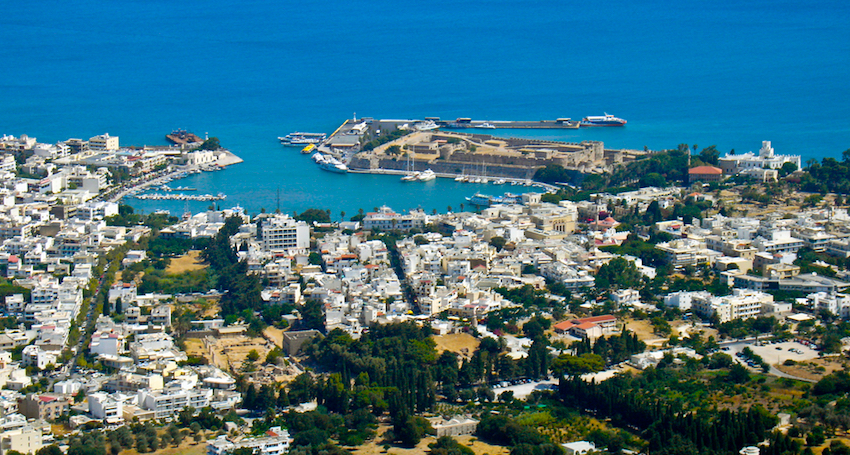
The city of Kos spreads
out in all directions from perfectly protected
Mandráki harbour, with Bodrum (a major day-trip
destination) just visible on the Asia Minor
mainland. Despite its size the town feels
low-density; thanks to the Italians it’s
rigorously planned, executed in two phases
either side of the 1933 quake. From 1926–29 and
again from 1934–39 they endowed it with
clusters of mock-Ottoman, Art Deco-ish and
Rationalist style buildings to meet both the
social and political needs of colonialism and
fascism – including a large central square,
today Platía Eleftherías, where crowds could be
harangued from a speaker’s tribune. Large areas
of archeological “park” were created by
removing the rubble of collapsed houses to
reveal ancient remains. Yet some care was taken
to preserve or highlight the castle and the
traditional quarters – the Muslim bazaar, and
the old blacksmiths’ quarter of Haluvaziá just
behind the port – which had survived the
tremor. Residential, cantonment-style suburbs
were laid out, particularly on the east, and
today their original landscaping has matured,
giving Kos the feel of a lush garden
town.
|
|
|
|
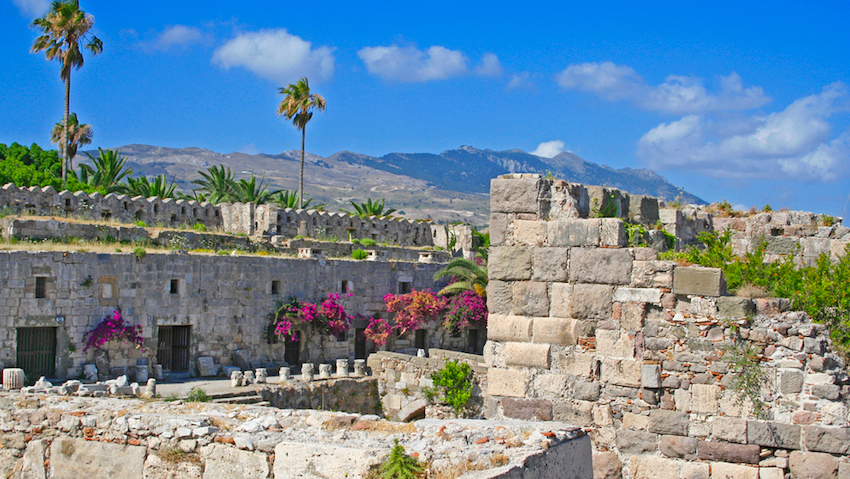
The Castle of the Knights
of Saint John (8am–8pm daily through October;
back to shorter hours (8.30am–3pm) in winter)
with its double fortification dominates the
harbor. The castle is linked by a bridge over
its former moat (now Finikon Avenue) to the
square where the so-called, very decrepit Plane
Tree of Hippocrates stands. In legend the great
healer taught under its boughs, though in fact
this is unlikely as the tree is only about 700
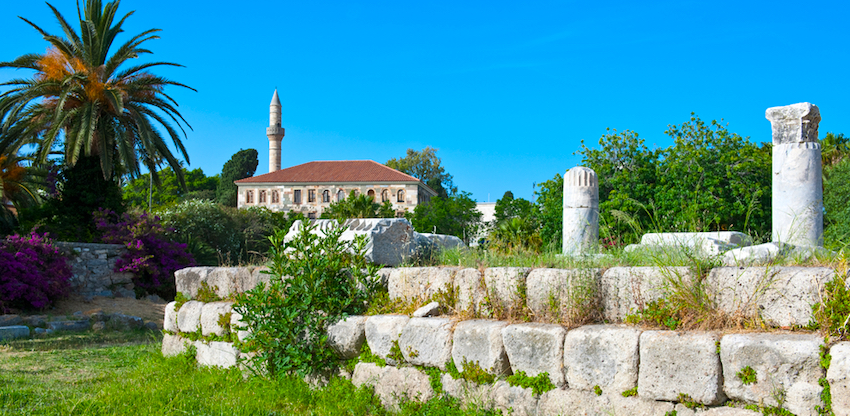
years old. Flanking the plaza is the Loggia
Mosque, from 1786; as at the contemporary
Defterdar Mosque on Platía Eleftherías, rent
from the shops on its ground floor goes to the
vakuf or local Islamic benevolent foundation.
Neither of these mosques is used much for
worship by local Muslims, though the
minaret-less Atik Mosque in the Ottoman bazaar
still functions normally.
|
|
|
|
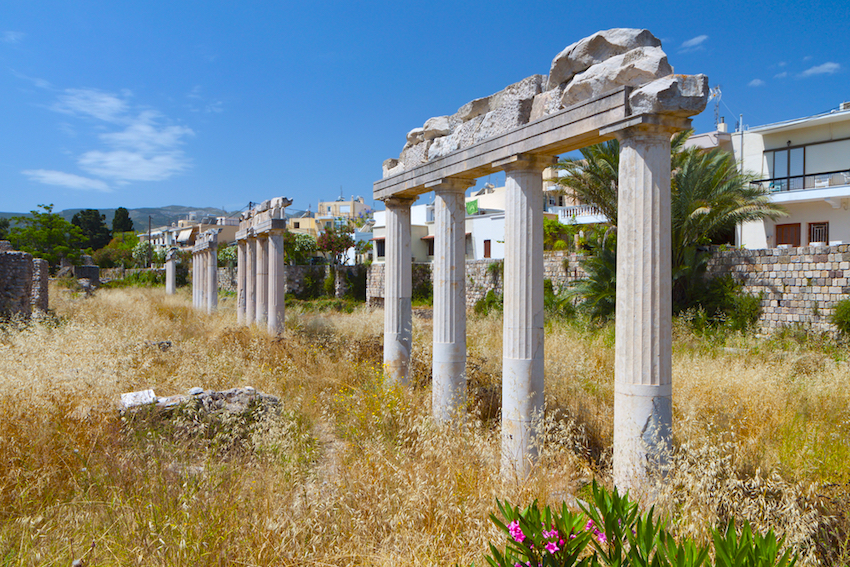
Just south of the harbour
lies the ancient agora (always
open), excavated after the 1933 quake: no
compelling sights other than foundations of a
Hellenistic Aphrodite temple and re-erected
Roman columns from a stoa, but a pleasant
wander nonetheless. The other, more extensive
archeological zone lies well inland beyond the
Ottoman bazaar, featuring the Xystos or
colonnade of a covered running track, and –
viewable from a slight distance – mosaics of a
boar hunt, gladiators and the nymph Europa.
There are more floor mosaics – of a tiger, and
assorted beasts attacking a goat and an
antelope – in the Casa Romana
(Tues–Sat 8am–7.30pm, Sun 1.30–7.30pm, Mon
closed), a 3d-century AD Roman villa across the
street, which finally re-opened in 2010 after a
lengthy refit. Also refurbished recently was
the contemporaneous Roman odeion adjacent – its
undercroft now houses a well-done mini-museum
(daily April–Oct 8am–8pm) on odeia in general,
and this one in particular. The main,
Italian-built archeological museum (Tues–Sun
8am–2.30pm) is up on Platía
Eleftherías, containing Hellenistic and
Roman statuary, as well as two more fine
mosaics. Just opposite, beyond the
Defterdar Mosque, is the
covered Italian market from 1934; lately its
produce stalls have been exiled in favour of
tourist stalls peddling honey and herbs – no
bargains here – but it’s still an atmospheric
spot to stock up on gifts.
|
|
Eating and Drinking in Kos
|
|
It doesn't take much nous
to work out that you’ll be ripped off at the
few surviving cafés and restaurants facing
Mandráki port; neither is the prevailing
Euro-grub in the westerly district towards
Lámbi much to write home about either. There
are numerous, far better options inland or just
back from the easterly beach along Vassiléos
Georgíou. At Ambavris (supper
only May–Oct), in the eponymous hamlet 500m
south of the Casa Romana, choose a medley of
their excellent mezédes (detailed properly only
on the Greek menu) served in the courtyard of
this lovely old house. An exception to the
pattern in the western suburbs is
Votsalakia at Avérof 10, a
good all-rounder taverna with views of the
ferries coming and going. The island’s
longest-running ouzerí is Pote tin
Kyriaki (supper only, closed Sunday,
also Mon–Thurs low season), hidden in the
Ottoman old town at Pissándrou 9; there are
starters like fennel pie and assorted sea food
at very attractive prices, washed down by
proprietress Stamatia’s potent tsípouro. The
town’s main see-and-be-seen venue,
H2O, at Vassiléos Georgíou 7,
has a fusion menu, minimalist decor and seating
on a deck over the water; diagonally across the
way, on the ground floor of the Triton Hotel,
Avanti is reckoned the
island’s best Italian diner and is always full
of locals. Products of the local winery,
Hatziemmanouil, are well worth trying,
especially their red labels.
|
|
For light refreshment,
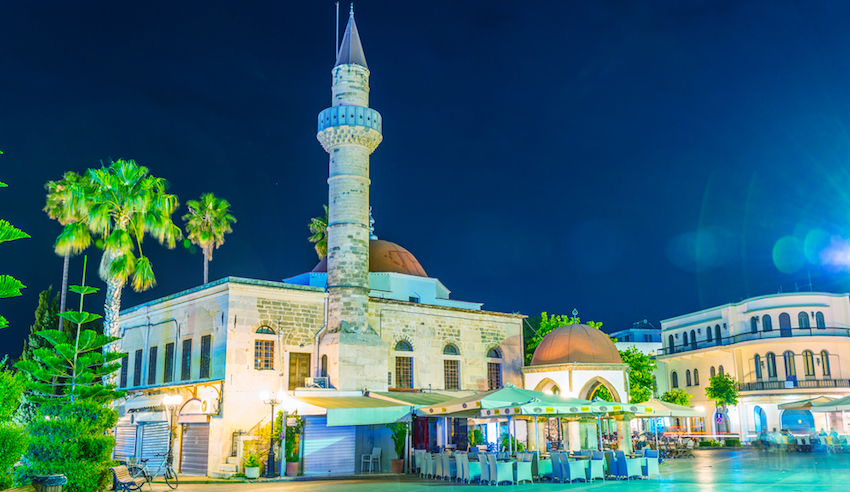
Café Aenaos at the base of the
Defterdar Mosque is a great
people-watching spot, and brews kafé sti hóvoli
(traditional Greek coffee made on hot sand).
Right opposite Hippocrates’ plane tree, the
Law Court Café huddles under
Art Deco arches, doing coffees and cold drinks
at very fair prices for the location.
Besides the
mega-dance-venue X Club on the
west side of Mandráki, going in some
incarnation since the 1980s, nightlife in Kos
city clusters in two areas. The “Pub Lanes” of
Haluvaziá, especially
Nafklírou, have a fairly forgettable
selection of annually changing barákia with a
largely Dutch clientele; the most durable,
interesting and Greek club here is
Hamam at the east end of
things, installed in an old Turkish bath.
Another, Greek-preferred nucleus of night (and
day) life is Aktí Zouroúdi
behind Lámbi beach 2km north of town, where
Artemis by Heaven has two bars (1 poolside, 1
on the sand), tropical decor and chilled
playlist, or Mylos further
out, arrayed around an old windmill, with a
beach-café role by day and either live or DJd
events after dark, until dawn. Don’t drive
there – bicycle out and drink as much as you
like.
For the more sedately
inclined, there’s an excellent outdoor cinema
(May–Sept), the Orfevs, on
Fenarétis just in from Vassiléos
Georgíou; during the cooler months
screenings move to the indoor Orfevs on
Platía Eleftherías. As everywhere in
Greece, films are shown in the original
language (usually English) with Greek
subtitles.
|
|
Near Kos Town
|
|
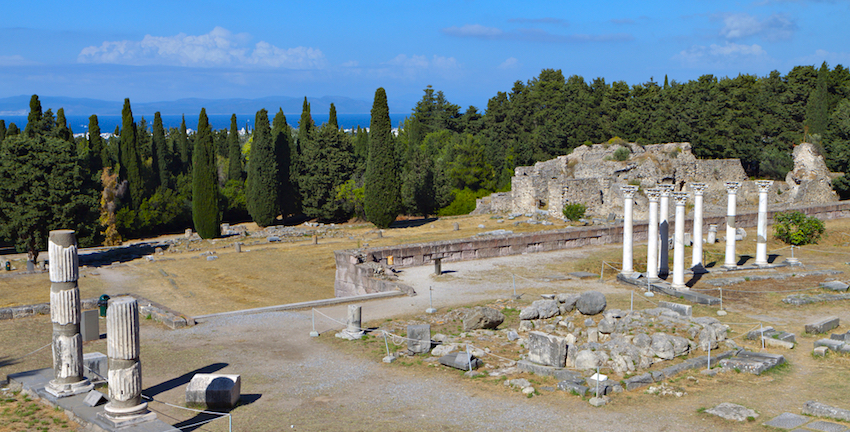
The ruins of the
Asklepion (summer 8am–8pm,
winter 8.30am–2.30pm; closed Mon all year) lie
4km southwest of town on a series of terraces
overlooking Kos and the Turkish coast.
Hippocrates was the first healer adopting a
rational approach to diagnosis, and the first –
as witness his treatise Airs, Waters and Places
– to lay stress on the importance of
environment in therapy. In its day – which
ended in 554 AD – the Asklepion was as much spa
and teaching facility as religious sanctuary,
and the site chosen had ample springs (which
ran above ground until recently – you can still
see fountain-niches and clay piping). The three
terraces, connected by broad stairways, feature
a Doric Temple of Asklepios on the top level,
and a Roman Corinthian temple partly rebuilt by
nationalistically minded Italian archeologists,
but don’t get your hopes pitched too high –
little else stands much above ground level, as
the crusading Knights thoroughly scoured the
site for ready-cut masonry.
The Asklepion is easy to
reach by bicycle, fake train or (in cooler
weather) on foot, passing through the partly
ethnic-Turkish village of Platáni (aka
Kermedés) with its active mosque and cluster of
Anatolian-style tavernas at the central
junction, of which Arap is the
most consistent, famous and open much of the
year. Hasan, across the street
from Arap, as a worthwhile, cheaper
alternative, with good kebabs and the odd
vegetable stew. Opposite, superb ice cream is
served at Paradosi. There were
once nearly 3000 island Turks living here and
in Kos town, but after the successive Cyprus
crises of 1963–74 numbers dropped to under
1000. Between Platáni and town are the adjacent
Muslim and Jewish cemeteries. The island’s 120
Jews were deported to their deaths at Auschwitz
during summer 1944, and the only other trace of
the long-running Jewish community is their
wonderful Italian-era synagogue on Diákou near
the “Pub Lanes”.
|
|
|
|
Besides Lámbi
beach, more sand stretches east, then
south, of the city in the area known somewhat
imprecisely as Psalídi. Much of it is
merely functional or monopolized by the resort
hotels which concentrate here; good, meaty
beaches with minimal wind scourging and easy
public access only begin once past the Oceanis
complex, up to the Ágios Fokás military
watchpoint. Just past a final cluster of hotels
at Ágios Fokás is the dirt-track turnoff for
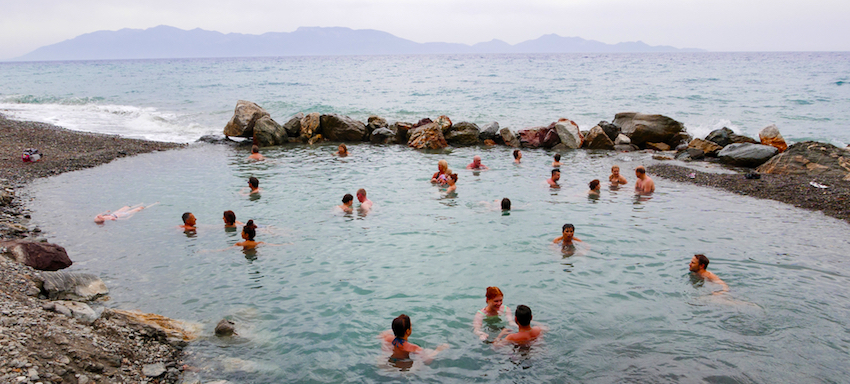
the seaside hot springs of Bros
Thermá, one of the most popular
destinations on Kos, especially at dusk or on
moonlit evenings. Scalding water flows from the
base of cliffs into a 4-foot-deep pool
delimited by a ring of boulders which allows it
to mix with seawater to a pleasant temperature.
There have been recurring rumors, however, of
the place being developed as a spa with
regimentation and admission fee, so enjoy it
au naturel while you can.
|
Around the Island of Kos
|
|
|
|
Mt Díkeos Villages
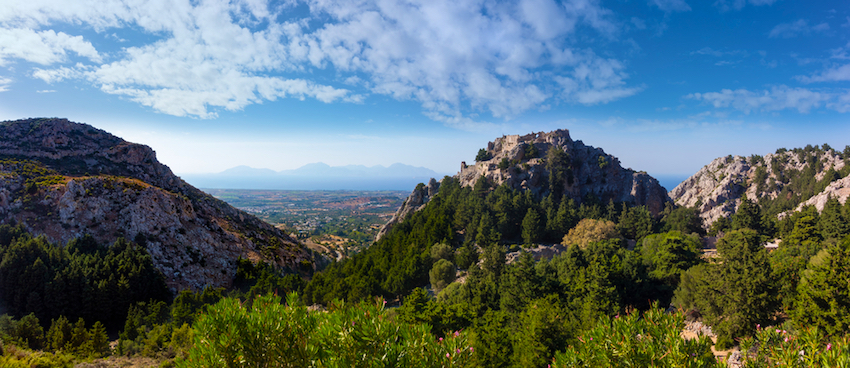
Forested, scenic Mt
Díkeos, the ancient Oromedon looming west of
town, relieves Kos from unrelenting flatness
and supports the half-dozen Asfendioú villages,
all now largely deserted but excellent examples
of whitewashed traditional housing. Parish
priest Father Kyriakos, at the Génnisi
Theotókou church in Lagoúdi with its
brilliant neo-Byzantine frescoes, claims that
the mountain takes is modern name (“just,
fair”) from its waters flowing usefully
northwest towards the agricultural plain rather
than pointlessly south into the sea. Ziá is the
most touristed settlement, thanks to half a
dozen coaches daily calling in for “sunset
tours” (though the views from most of the
Asfendioú region are spectacular). This has had
a predictable effect on quality at the
surviving tavernas (several have shut) but
Oromedon can still be highly recommended,
likewise the little secluded café
Neromylos, converted from the
last working watermill here – by the 1960s most
of the water had been channelled down to fields
and water-mains in the flatlands. Ziá also
marks the start of the hike up to 846-metre
Khristós peak with its pillbox chapel (August 6
festival) and 360° views over Turkey and the
Dodecanese; allow 3 hours round trip, and best
do this in spring or fall when temperatures are
mild and the air clear. Nearby Evangelístria
and Asómatos hamlets, the latter with a lovely
church, have proven popular with second-home
hunters but have no reliable tourist
facilities. West of Lagoúdi, a side road leads
up to Byzantine Paleó Pýli with its castle and
medieval churches, of which the lowest one,
Arhángelos, also has the most vivid frescoes.
Modern Pýli is by contrast a thriving, modern
place and boasts, in its Pigí district, perhaps
the best rural taverna on Kos, Palea
Pigi, where you can sample local
dishes like pikhtí (brawn) and
krassotýri (cheese marinated in wine)
in the shade of a giant Indian fig. Just below
is a wonderful, popular cistern-spring with
several lion-headed spouts.
|
|
|
|
Kos-tal Resorts
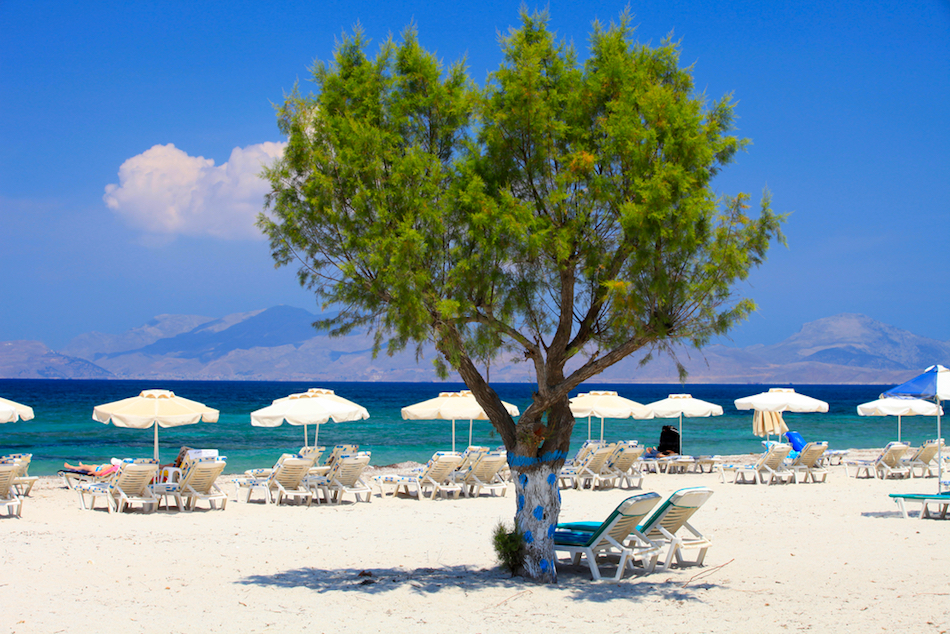
Besides Psalídi, Kos has
plenty of attractive beaches on both its
windier north and more protected south coasts.
Most of them have some sort of water sports
available, be it windsurfing,
kayaking/canoeing, or jet-skiing (though I for
one find it difficult to qualify the latter as
a “sport”).
Closest to town on the
north coast is Tingáki, which
has historically had a big British clientele.
Just inland to the east is the excellent
Ambeli taverna, with more than
a nod to local recipes and an excellent wine
list (as you’d expect from a place called
“Vineyard”). There are great views across the
straits to the Bodrum peninsula and the little
Greek islet of Psérimos.
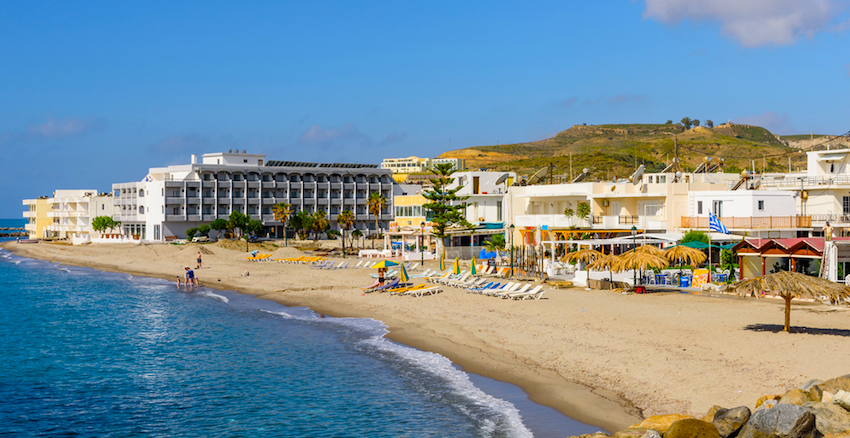
Marmári, the next resort west,
has a preponderance of all-inclusive hotels
aimed in the past at Germans; between the two
is the salt marsh of Alykí, which retains water
well into summer. This used to be a major
stopover for flamingoes from December to April,
but they haven’t appeared in some years – chalk
it up to global climate change.
Mastihári, southwest of
Marmári, also has its share of new monster
hotels at the outskirts but despite that is
probably your best bet if showing up without a
room reservation in summer – it’s Kos’ second
port, with several daily ferries to
Kálymnos (keyed to arrival times of
domestic flights from Athens), and still
retains some character of a “real” town. Good
affordable accommodation can be found at the
south end of the ridge above the unusually
broad beach. Just inland from the ferry jetty,
Makis is unbeatable for fish,
while at the south end of the beach strip,
Traditional House bakes its
own bread and serves own-grown veggies.
|
|
|
|
From Marmári, roads lead
south through Andimáhia – the
largest inland village, next to the airport and
near another Knights of St John castle
sometimes used for summer concerts – to
Kardámena, the island’s
second-ranking, if rather downmarket, resort,
famous for its Brit-pitched nightlife. Clubs,
especially in these straitened times, come and
go but here to stay apparently are the
Downtown Club, a basement joint as
good as its motto (“cheesy chart music”), and
the long-running Starlight Club at the
outskirts, with theme nights and imported UK
DJs. Don’t expect culinary distinction, or much
comfort in lodging; Kardámena beach, however,
is sandy and long. There are expensive
excursion boats, leaving in the morning, for
Níssyros island opposite; less publicised is
the Nissyrians’ far cheaper shopping kaïki,
which chugs away at mid-afternoon (though that
means you intend to overnight on
Níssyros).
|
|
Paradise
Beach
|
|
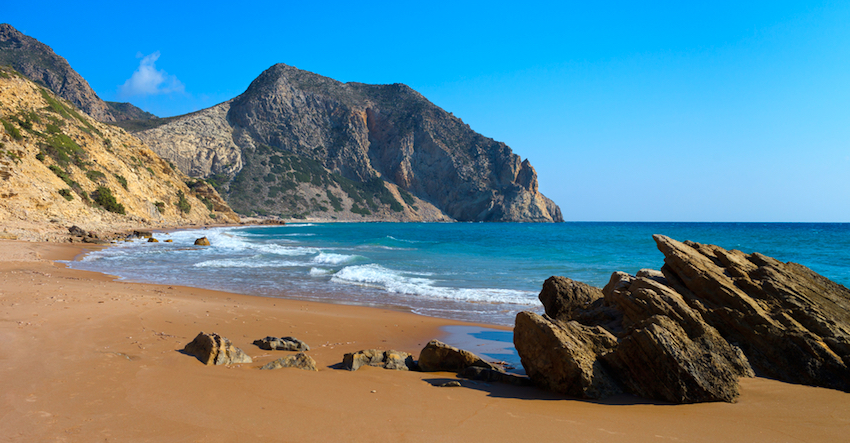
On a clear day Níssyros is
also prominent on the horizon seen from the
sequence of miraculously undeveloped beaches
west of Andimáhia. My favorite is
“Magic” (officially Polémi),
with a full-service taverna uphill, a nudist
zone (“Exotic”) on the east, and no jet-skis –
which rather blight “Sunny”
(Psilós Gremmós) and Langádes
further along, although their sand and
juniper-backed scenery is superior.
“Paradise” (Bubble Beach), so
named for volcanic gas-vents in the shallows,
is oversubscribed and overrated, though
“Kamila”/Camel just beyond is
much less visited.
|
|
|
|
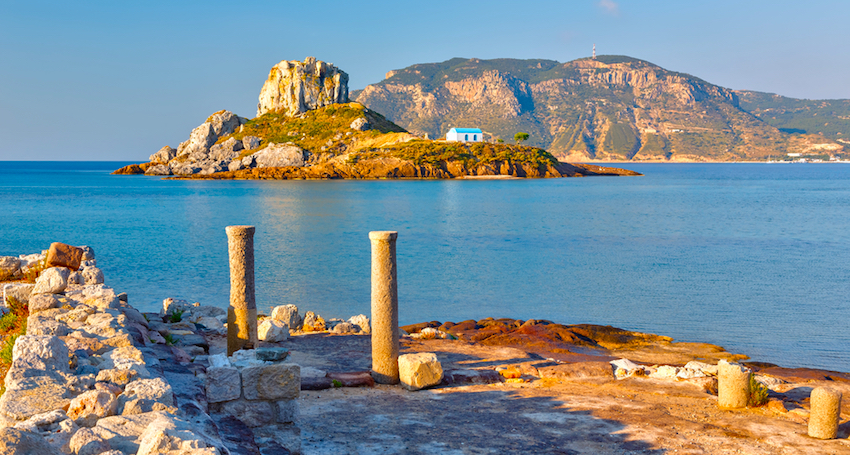
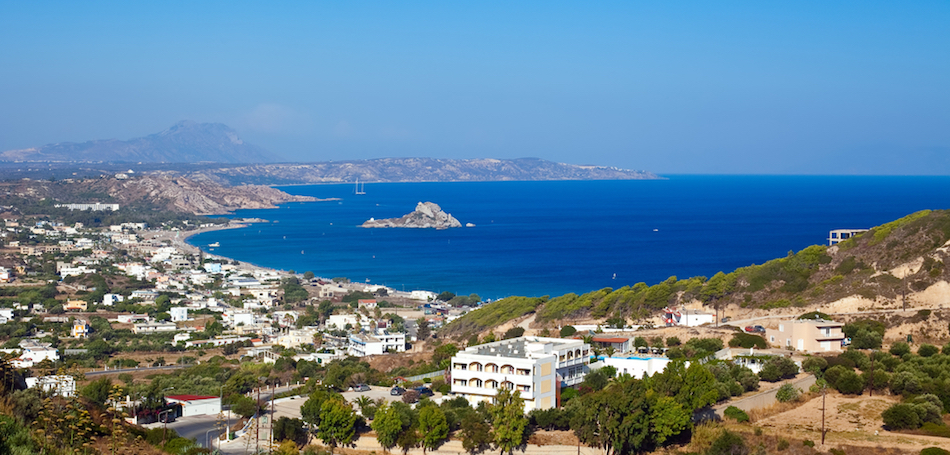
Past these, an
inconspicuous access road leads around a giant
Club Med to the most romantically set of Kos’
three basilicas, Ágios Stéfanos –
though recent years have seen some of its
columns toppled and its famous mosaics covered
in protective gravel. There’s good snorkelling
– unusually for Kos – between the little beach
below and swimmable-to Kastrí
islet. Beyond sprawls Kamári,
a resort hardest hit by the recent slump –
plenty of abandoned building sites – and
lacking much distinction other than excellent
windsurfing opportunities.
|
|
|
|
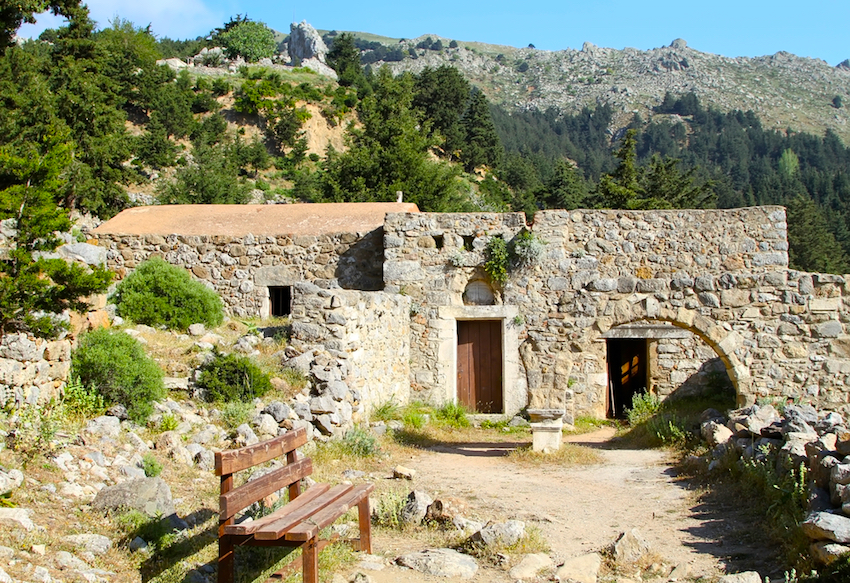
In Paleó
Pylí, Arhangelos chapel has had
much-needed repairs but sadly is now locked so
the frescoes are not visible for now (unless a
warden with keys is appointed to replace the
evzone-costumed goatherd who poses with
tourists for pictures at the base of the stairs
up, all the while yelping “Autentico!!!
Tradizzzzzionaaaaallllleehh!!!”).
Puh-leeze.
In
Amanioú, the village closest
to Paleó Pylí, maybe schedule a lunch stop at
the Paleo Pyli taverna, where
Mastihari-based fisherman Giorgos does
excellent, cheap grilled fish (his son does
most of the catching now, daily).
|
|
|
|
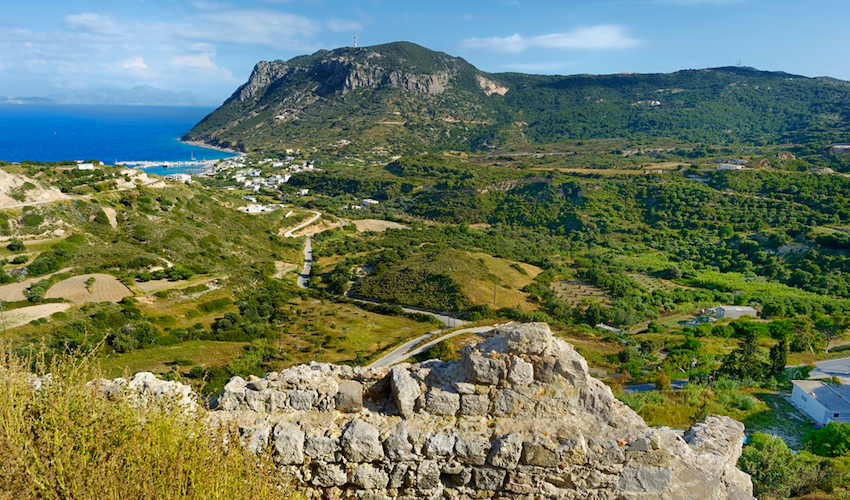
The Wild West
The large village of
Kéfalos, uphill from Kamári, dominates the far
southwest of Kos. It’s kind of a nondescript
place – the Knights couldn’t be bothered to
build a proper castle to defend it – but the
inevitable gateway to the wild terrain beyond.
Just south are Panagía
Palatianí, a strange Byzantine church
built amidst the ruins of an ancient temple,
and ancient Astypalaia, of
which only a late Classical theatre with two
rows of seats overlooking Kamári bay remains. A
right fork in the paved onward road system
leads to the rural chapel of Ágios
Theológos, near a namesake taverna which
ruthlessly exploits its monopoly and above a
wave-bashed beach where boogie-boarding is
practiced. The other branch of the paved road
ends at Ágios Ioánnis Thymianós monastery, from
where a dirt track heads off towards
spectacular, sandy but unamenitied Hilandríou
beach, tucked into a fold of precipitous Cape
Kríkellos.
|
|
Kos Activities
|
|
|
Practical Information for Travelers to
Kos
|
|
|
|
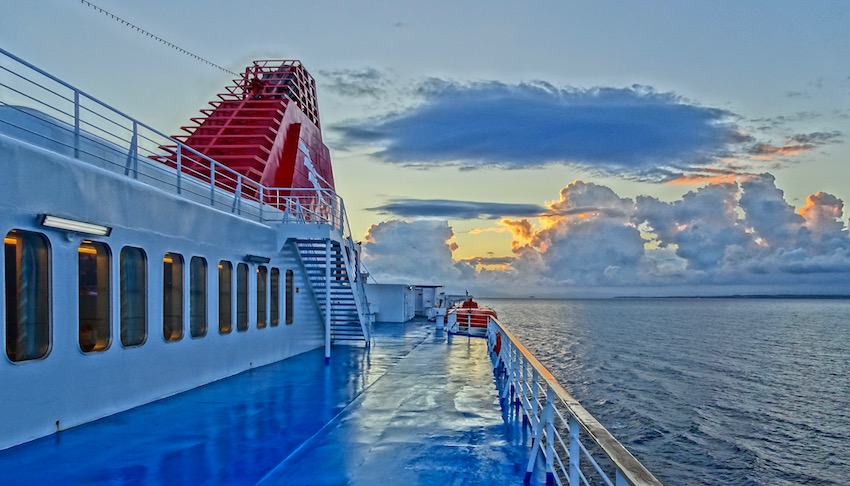
Getting to Kos
Ferries
from Piraeus to Kos leave daily in the
summer season and 3 or 4 times a week in the
off season, usually in the early evening, with
consequent small-hours arrival. Islands on the
same route may include Sýros, Náxos, Páros, Amorgós, Santoríni,
Pátmos,
Léros,
Kálymnos and
Rhodes,
though usually you get “semi-direct” services
that omit some or most of these. If at all
possible, opt for Blue Star Ferries departures.
Sadly, the former useful hydrofoil service
between Kos and Sámos via all
intervening islands has been suspended; the
only approximate substitute are the catamarans
Dodecanese Pride and Dodecanese Express, as far
as Pátmos and Lipsí/Agathonísi.
You can find ferries to and from Kos and book
them at Ferryhopper.com or by
booking hotels with a Greek
travel agency.
Excursion boats leave most
mornings for the nearby islands of Níssyros,
Psérimos, Platý and Kálymnos,
though if you want to spend a full day on
Psérimos you can only do this from Kálymnos.
Most years there is usually a subsidized minor
ferry route from Kos town to Níssyros and
Tílos –
much cheaper than either the excursion boats or
the catamarans. For
Bodrum in Turkey, there can be up to 3 or 4
daily (2 morning, 2 afternoon) departures, and
the crossing is the least expensive of all the
island-Anatolia routes thanks to modest port
taxes – outside of peak season, 25 to 30 euro
return is not an unusual fare.
There are up to five
flights daily between Athens and Kos in each
direction, on either Olympic and Aegean, which
merged in October 2013. Beware of their new
baggage policies – the cheapest fares have, as
default setting, no checked baggage allowed –
you have to add it for 15 euros online, or pay
25 euros at the airport.
For those who want to book
Kos with the assistance of a Greek travel
agency you can use
Matt Barrett's Create-an-itinerary form and
click on the islands you want to visit and the
amount of days you want to spend on each island
and you can get a price, or they will tell you
if what you want to do is even possible. It is
free and you are under no obligation to
purcghase anything. For travel agencies in
Greece that book Kos see
Matt's Travel Agents Page.
Getting around Kos
Especially in Kos town,
car, scooter and (unusually) bicycle rental
places abound. Along with Tríkala and Édessa,
Kos is among the few cities in Greece that
actively makes provision for cyclists, with a
joined-up bike-path system extending from the
far reaches of Psalídi to Tingáki, and for a
few euros a day the flattest bits of the island
are yours to pedal around. The accident rate
for all motor vehicles – especially on the
dangerous central trunk road – is off the
charts, especially in August when particularly
reckless Athenians show up, so drive
defensively and NEVER drunk – police traps
screen for this and fines are astronomical
(even if you don’t get thrown in the slammer).
Taxis are common but expensive – nearly 35
euros from the airport to Kos city, for
example. There are several KTEL buses daily
between the airport and town, but these are
designed to dovetail with domestic, not
overseas, flight arrivals. Besides KTEL
departures to the remoter beach resorts
(frequent) and hill villages (infrequent),
there’s a very efficient municipal bus service
with the initials DEAS, serving all points
between Psalídi and Lámbi.
Welcome Pickups has recently added Kos to their list of islands where they can provide transfers between the airport, ports, hotels and villas.
Where to Stay
There are hotels of all
categories in Kos town and its flanking resorts
of Psalídi and Lámbi. Mastihári, Kardámena and
Kamári offer more modest lodging on the whole.
The major visitor dilemma on Kos is whether to
stay in Kos town for superior dining and
nightlife, going to the beach resorts by day,
or to stay by the sand and hit the town by
night. Here you can probably have it both ways
by staying in a really nice hotel on a beach
close to town for a very good rate. For a
selection of hotels on the island, use Matt's
Hotel Search where you can read hotel
reviews and book them. I recommend booking with
reliable
travel agencies in Athens rather then
directly with the hotels since it will cost the
same, and the travel agent can help you with
other aspects of your trip like ferry or
airplane tickets, hotel in Athens and any
snafus that occasionally happen (missed or
canceled flights, ferries or lost bookings).
Not to mention they are a valuable resource
that can answer your questions and help you
create the itinerary and find the hotel that is
best suited to you.
Marc Dubin
first visited Greece in 1978, fell in love with
it, and returned almost yearly until he began
living much of the time on Samos in 1989. He
has written for numerous travel publishers –
notably Rough Guides and Insight Guides – and
on a variety of topics ranging from renovating
old Greek houses and Greek cuisine to
back-country trekking and Greek music. Marc has
also compiled two CDs for World Music Network,
Rough Guide to Rebetika and Rough Guide to
Greek Café. To contact Marc with offers of
writing jobs or praise you can e-mail him
through matt@greecetravel.com
|
Matt's Suggested Hotels in Kos
|
|
Here are some hotels
in Kos that you can book directly through
Matt's Hotel Booking
Page if you don't think you will need a
travel agency. If you click on the name of the
hotel you can get more information, photos and
book it now. You may notice that a 4 and 5 star
hotel in Kos will cost the same as a 2 star hotel
in Mykonos or Santorini. You can also find
villas, apartments, self-catering, holiday homes
and Air BnB style accommodations by using Matt's Hotels of Greece Kos Page |
|
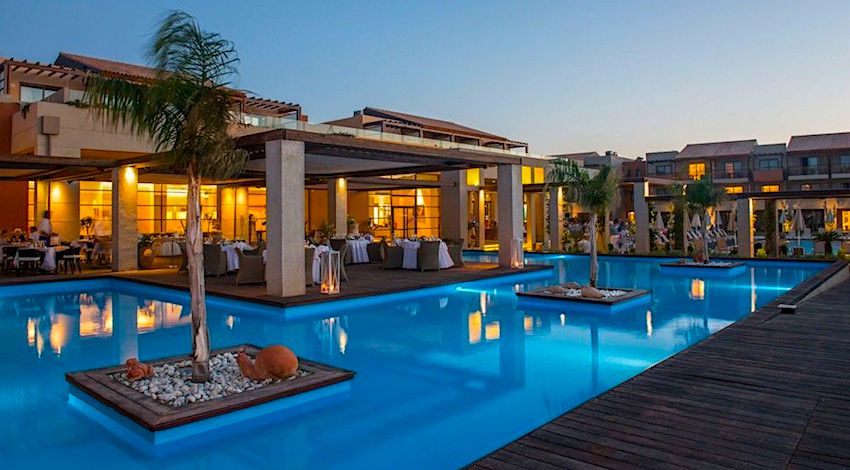
Astir Odysseus Kos Resort & Spa 
Astir Odysseus Kos Resort & Spa is a 5 star hotel constructed in 2009, in Tingaki area. Just 5 km from the historic center of Kos town and 22 kilometers from the international airport of Kos, Astir Odysseus Kos consists of 337 rooms & suites, 3 conference halls, Spa center with indoor pool, restaurants & bars, sports facilities, water sports, 3 outdoor pools with 2 open air Jacuzzi in the main pool, 2 children’s pool and mini club. Click Here for More Information and Booking
|
|

Grecotel Luxme
Grecotel is excited to welcome you to the “LUXME®” upscale all-inclusive holiday concept which combines spectacular seafront location with great service, outstanding dining, tailored activities, sports, wellness & entertainment. The resort lies on a 100,000 square-meters land. It is centered around an expansive lagoon framed by exotic tropical palm gardens cascading to the beach’s edge. Every evening watch the cruise ships go by and flickering lights of opposite Anatolia. Click Here for More Information and Booking
|
|

Ammos Luxury Resort
Ammos Luxury Resort is a 5 Star hotel on the island of Kos. It is only a few minutes from the village of Mastihari , the port from which you can go across Kalymnos. The hotel is just a 25 minute drive from the city and 7 km from KGS International Airport. It is a gorgeous and idyllic hotel offering great views of the Aegean Sea, designed with attention to detail, crafted with the finest materials and with respect to the natural environment. Ammos Luxury Resort is the ideal retreat combining comfortable accommodation with the finest Mediterranean and Greek cuisine. Click Here for More Information and Booking
|
|

Astir Odysseus Kos Resort & Spa
Astir Odysseus Kos Resort & Spa is a 5 star hotel constructed in 2009, in Tingaki area. Just 5 km from the historic center of Kos town and 22 kilometers from the international airport of Kos, Astir Odysseus Kos consists of 337 rooms & suites, 4 conference halls, Spa center with indoor pool, restaurants & bars, sports facilities, water sports, 2 outdoor pools with 2 open air Jacuzzi in the main pool, 2 children’s pool and mini club. Click Here for More Information and Booking
|
|

Casa Paradiso
Ideally located on an idyllic stretch of coast just 2 kms from the fishing village of Marmari Kos, Casa Paradiso glories in its serenity. It features bungalows built in traditional Aegean style with flat roofs and white-washed exteriors with stone-paved paths winding through the gardens and the quiet lush countryside. Kids will love splashing down the waterslides! Click Here for More Information and Booking
|
|

Sovereign Kos Beach Hotel
Only a few minutes away from idyllic Kardamena village, Sovereign Kos Beach Hotel lies on a peaceful spot, right on the sandy beachfront, offering you an alluring holiday hideaway, in a carefree, village-like environment to reflect Kardamena’s vibes. Surrounded by beautifully kept gardens with trees, flowers and blossoming shrubs, where stone-studded paths meander between the main building, the bungalows, the large patio with the pools, the open-air theater, the kid’s playground, and all the indoor facilities that wait for you to make the most of your stay in Sovereign Beach Hotel. Click Here for More Information and Booking
|
|

The Small Village
The Small Village is an exceptional hotel in Kos, just 4 km from the center of Mastichari village, which is famous for its fresh fish at the seaside taverns of the village, the clear blue waters and white sand along the beach! The island’s beautiful sunset creates the vacationers feel of an exotic island. It is tranquil and ideal for a vacation in Kos. Our Hotel is your special place to relax, dream and enjoy the most beautiful sunset on the island and the deep blue Aegean Sea. The Small Village stands on a beautiful hill staring at the Aegean Sea with a magnificent view of Kalymnos Island. It comprises of 3 neighborhoods, with independent residences resting among gardens and connected by stone paths and the main unit with the Reception Hall, Restaurant, Bar, Pool Bar, Gym and Swimming Pool. Click Here for More Information and Booking
|
|

Sails on Kos
Located on Marmari, one of the most popular, family friendly beaches on Kos, Sails on Kos is the perfect place to enjoy your summer holidays. This new family run, Ecolux tented village, successfully blends the best of camping with the luxury and comforts of a four-star hotel. The exceptional summer weather on Kos is splendid for the open living offered with our tents
Glamping is ideal for couples and families that are looking for an alternative, value added accommodation, close to nature without the confines of four brick walls. Most of our tented villas come with a large deck or their own private garden.If stargazing from the lounger on your deck with a glass of red wine while the young ones are roasting marshmallows next to a campfire is appealing, than glamping is for you.
What defines us and separates us from the standard hotel options is the combination of the al fresco lifestyle of luxury tented accommodation together with the plethora of well-designed experiences and activities that are inclusive in your stay with us. The aim of these activities is primarily entertainment and good outdoor style fun for all, the added bonus is that you and your family together, will create memories that you will treasure well into the future. Nothing brings a family together like a Sails on Kos glamping vacation. Click Here for More Information and Booking
|
|

Pelagos Suites Hotel
Pelagos Suites Hotel is a beachfront hotel, built in a quiet location of Lambi Beach, just 2, 5 km from the beautiful and historic center of Kos town. Simple, practical and understated, the 207 guestrooms at Pelagos Suites Hotel - all of which have Aegean Sea, Pool or garden views - are about style and convenience. With a careful eye towards enriching the family holiday experience, this modern hotel has extra facilities for children. Click Here for More Information and Booking
|
|

Olympia Mare
Olympia Mare offers home comforts in a relaxing setting, with daily serviced, self-catering apartments right on the seafront, just outside of the popular Kos resort of Kardamena. With a beautiful, sandy beach on your doorstep, you can spend your days at Olympia Mare in and out of the crystal clear waters of the Aegean Sea. Evenings watching the sunset can be magical. Fishing, snorkeling, scuba diving and a number of water sports can also be enjoyed here. The apartments of Olympia Mare are air conditioned and decorated in a simple, uncluttered way. You can prepare your own meals in the kitchenette using fresh, local produce and enjoy them with great Greek wines on your private balcony or terrace. Click Here for More Information and Booking
|
|

Nissia Kamares Hotel
Built in the distinctive traditional Greek island style, the Nissia Kamares Hotel in Kardamena, Kos is comprised of 38 independent apartments on two levels that lead out onto lovely gardens. It offers a tranquil holiday setting just 150 meters from the centre of Kardamena and its beautiful beaches. Our guests will enjoy a comfortable, clean accommodation, friendly staff and a relaxing atmosphere. We look forward to welcoming you. Click Here for More Information and Booking
|
|

Mastichari Bay Hotel
The 4-star resort Mastichari Bay Hotel, nestled on the edge of the village of Mastichari, enjoys a waterfront location in Kos. Guests can choose to take a swim in the fresh water pool or the cool waters of the Aegean Sea. Free WiFi is available in all rooms and public areas. Surrounded by beautiful gardens, the slightly elevated rooms and main buildings take full advantage of the beautiful view of the bay and the surrounding Greek islands. The Mastichari Bay Hotel's Olive Tree Restaurant serves a rich breakfast and dinner buffet, and features show cooking events. The pool side Kaiki Taverna offers a-la carte lunch menu featuring traditional Greek dishes. Many of the fruits and vegetables come from the hotel’s own organically grown farms. Hotel bars serve cocktails and snacks. An on-site mini market is available. Offering a wide range of sports and entertainment facilities, Mastichari Bay Hotel has a beach volley court. A fitness center is also available. An entertainment program is offered for young guests. There is, also, a billiard and games room. Mastichari village is less than a minute's walk. Click Here for More Information and Booking
|
|

Hermes Hotel
Located in Kefalos, a 11-minute walk from Paralia Kefalos Beach, Hermes Hotel provides accommodations with an outdoor swimming pool, free private parking, a garden and a shared lounge. With a terrace, the 3-star hotel has air-conditioned rooms with free WiFi, each with a private bathroom. Guests can have a drink at the bar. Hermes Hotel has certain units with sea views, and every room has a balcony. At the accommodation every room comes with bed linen and towels. Hermes Hotel offers a buffet or continental breakfast. Click Here for More Information and Booking
|
|
More Kos Information
|
|
You can find morehotels, villas, apartments, self-catering, holiday
homes and Air BnB style accommodations in Kos with, photos, descriptions and
maps on Matt's Kos Hotel Search Page
or Matt's Hotels of Greece Kos Page. If you can't find availability in
these or any hotels try using
Matt's Create-an-itinerary form and an
agent will assist you.

|
 Travel to the Islands by Helicopter! Travel to the Islands by Helicopter!
Avoid the hassle of a ferry trip and save time with a private one-way helicopter trip from the Greek Islands to Athens or from
Athens to the islands. Choose a time that suits your schedule, sit back, and relax, enjoying the spectacular view which is worth the price of the trip. Our private helicopter can seat up to four travelers and is available for one-way helicopter transfers and day trips between all major Greek destinations and islands. We also do private helicopter tours. Click Here for More Information
|
|

|
|
 Use Ferryhopper to find all direct and indirect ferry routes for the islands of Greece, Spain, Italy &
Turkey, compare ferry companies & prices, and book cheap ferry tickets with no hidden fees in one go! Use Ferryhopper to find all direct and indirect ferry routes for the islands of Greece, Spain, Italy &
Turkey, compare ferry companies & prices, and book cheap ferry tickets with no hidden fees in one go!
|
|